


In modern healthcare, patient satisfaction is a key measure of quality. It reflects how patients perceive their care, comparing their expectations with the actual experience.
Patients who are satisfied are more likely to follow treatment plans, attend follow-ups, and recommend the healthcare provider to others. From a system perspective, higher satisfaction can lead to better clinical outcomes, fewer readmissions, and stronger trust between patients and healthcare institutions.
Furthermore, healthcare organizations increasingly adopt patient-centered care, focusing on understanding patient needs, experiences, and expectations rather than only delivering treatments. Read this article to discover how prioritizing patient satisfaction can transform healthcare outcomes.
Key Factors That Affect Patient Satisfaction
Patient satisfaction is influenced by multiple factors:
- Communication and empathy: Clear, respectful, and empathetic interactions enhance patient perception.
- Information and guidance: Patients value understandable explanations about their diagnosis, treatment, and next steps.
- Healthcare environment and processes: Waiting times, staff efficiency, and overall facility experience impact satisfaction.
- Expectations vs. experience: Satisfaction depends on how care matches or exceeds what patients expected.
Importantly, effective communication and proper information delivery are crucial; otherwise, even excellent clinical care may leave patients dissatisfied if they feel uninformed.
How Patient Education Improves Satisfaction

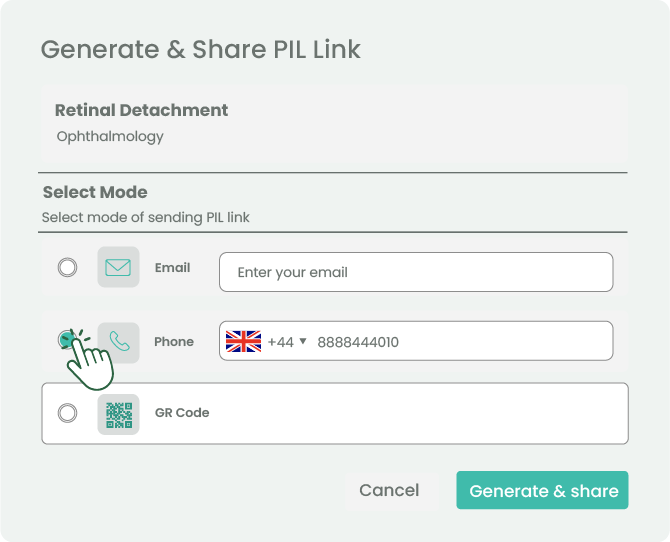
One of the most effective ways to improve patient satisfaction is through patient education. Providing patients with clear, relevant, and accessible educational materials helps them understand their care and empowers them to make informed decisions.
Education can take many forms:
- Printed brochures or pamphlets
- Visual guides and videos
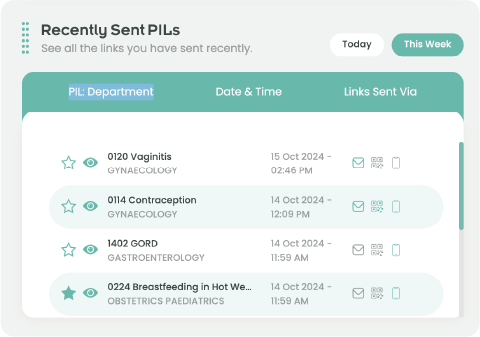
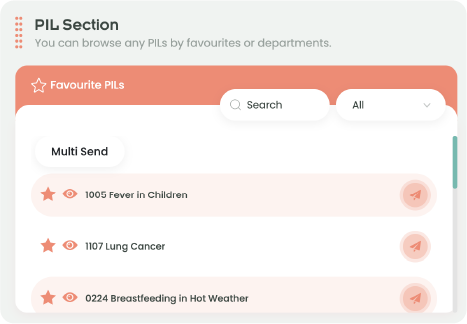
- Digital content via patient portals or apps
- In-person teaching sessions or group classes
Moreover, structured patient education programs increase satisfaction and engagement. Patients who understand their condition and treatment are more likely to follow instructions, reducing complications and improving outcomes.
Additionally, digital tools like multimedia videos or e-health platforms also make education more engaging and convenient. Patients who use these resources often report greater confidence in managing their health.
Best Practices for Patient Education Materials
To be effective, patient educational materials should be clear, concise, and tailored to patients’ needs. Consider:
- Using simple language: Avoid medical jargon and explain terms clearly.
- Incorporating visuals: Diagrams, illustrations, and videos improve comprehension.
- Offering multiple formats: Combine print, digital, and verbal explanations for accessibility.
- Testing understanding: Methods like “teach-back” help confirm patient comprehension.
While digital patient education is effective, it’s important to consider access and literacy barriers. Overly complex information can overwhelm patients and reduce satisfaction.
Integrating Patient Education Into Healthcare
Healthcare providers can enhance patient satisfaction by making education a core part of care. Steps include:
- Assess patient needs: Tailor materials to literacy, language, and preferences.
- Provide continuous education: Offer guidance from admission to discharge.
- Leverage technology thoughtfully: Use portals, apps, integrated digital platforms with EMR software, or digital media while considering access issues.
- Collect feedback: Use surveys and feedback tools to refine materials and improve engagement.
This approach ensures that patients are not only informed but feel empowered and supported throughout their healthcare journey.
Conclusion
Patient satisfaction is a critical measure of healthcare quality. While it depends on clinical outcomes, it is also shaped by communication, information clarity, and patient empowerment.
Patient education is a practical and effective strategy to enhance satisfaction. By providing clear, accessible, and relevant information, healthcare providers can help patients feel confident, informed, and engaged, ultimately improving both experience and outcomes.
FAQs
Q1: How often should patient satisfaction surveys be conducted?
Surveys should be conducted regularly, ideally after each significant interaction or hospital stay, to gather timely feedback and identify areas for improvement.
Q2: What are some innovative ways to measure patient satisfaction?
Besides surveys, hospitals can use mobile apps, digital feedback kiosks, focus groups, and real-time online rating systems to collect patient insights.
Q3: Can patient education reduce complaints or disputes?
Yes. When patients understand their condition, treatment, and care plan, misunderstandings decrease, leading to fewer complaints and better trust in healthcare providers.
Q4: How can patient satisfaction be improved in high-pressure areas like the emergency department?
Providing clear explanations, regular updates on waiting times, and concise educational materials can help patients feel informed and supported even in fast-paced environments.
Q5: What is the difference between patient satisfaction and patient experience?
Patient experience refers to the overall journey and interactions a patient has with the healthcare system, while patient satisfaction measures how happy or content they feel with those experiences.
References
- Prakash B. (2010). Patient satisfaction. Journal of cutaneous and aesthetic surgery, 3(3), 151–155.
- Vaz, Nafisa. (2018). Patient Satisfaction. 10.4018/978-1-5225-3946-9.ch010.
- Ferreira, D. C., Vieira, I., Pedro, M. I., Caldas, P., & Varela, M. (2023). Patient Satisfaction with Healthcare Services and the Techniques Used for its Assessment: A Systematic Literature Review and a Bibliometric Analysis. Healthcare, 11(5), 639.