Diabetes: Taking Care of Your Feet
This booklet explains how diabetes can affect your feet and how to prevent feet problems.
How does diabetes affect your feet?
Diabetes can affect the flow of blood to your feet.
Diabetes affects the blood vessels, so it reduces the blood flow in your feet.
The ability to heal injuries is reduced and the injuries may last for a long time.
The ability to fight infections is reduced.
The infection may spread in the body or lead to gangrene.
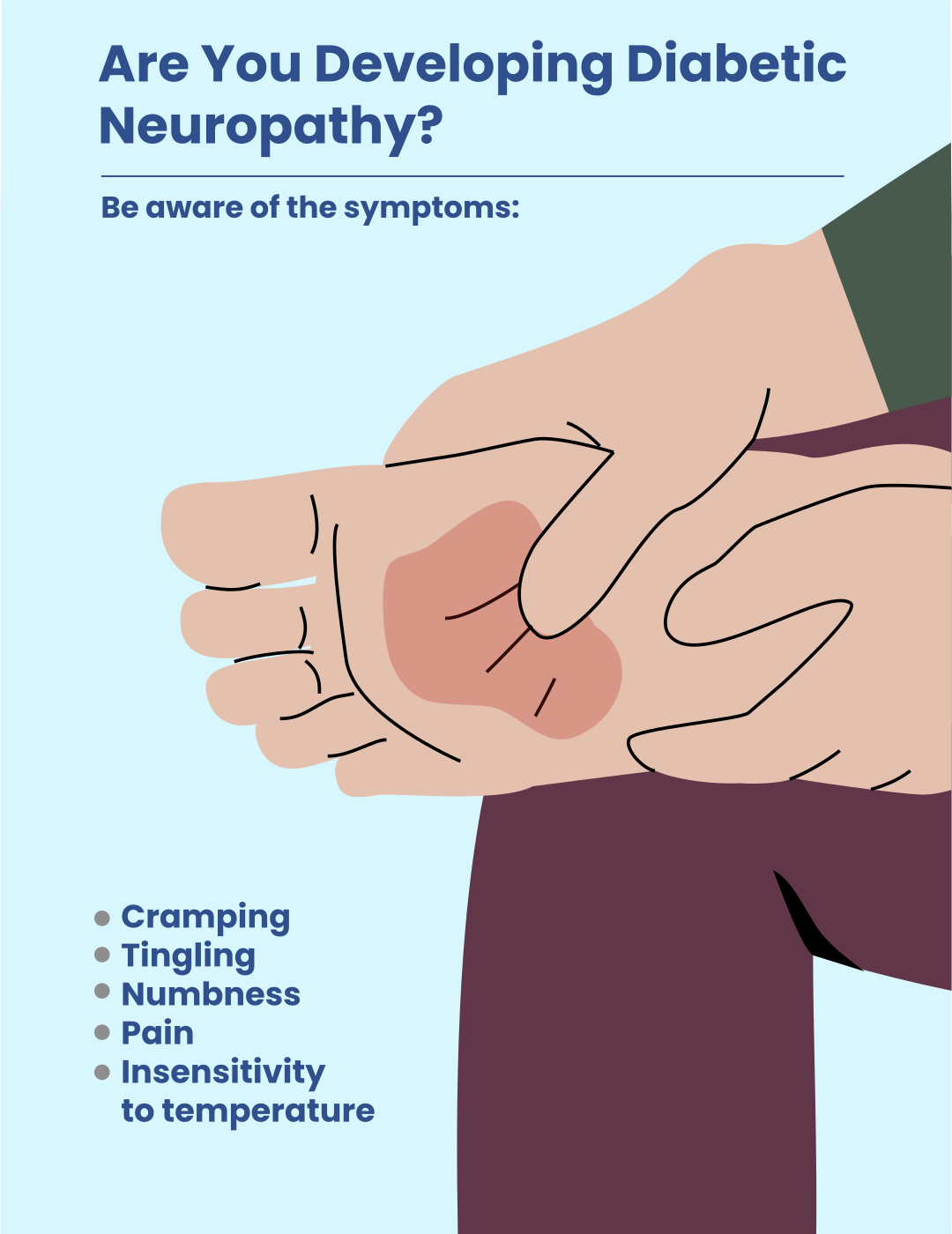
Diabetes can affect the nerves (the feeling) in your feet.
Diabetes can damage the nerves in your feet.
You may not feel a pebble in your shoe.
You may not feel other problems like a tight shoe.
These can lead to injuries that are not felt.
These injuries may not heal and may increase in size.
These changes are gradual.
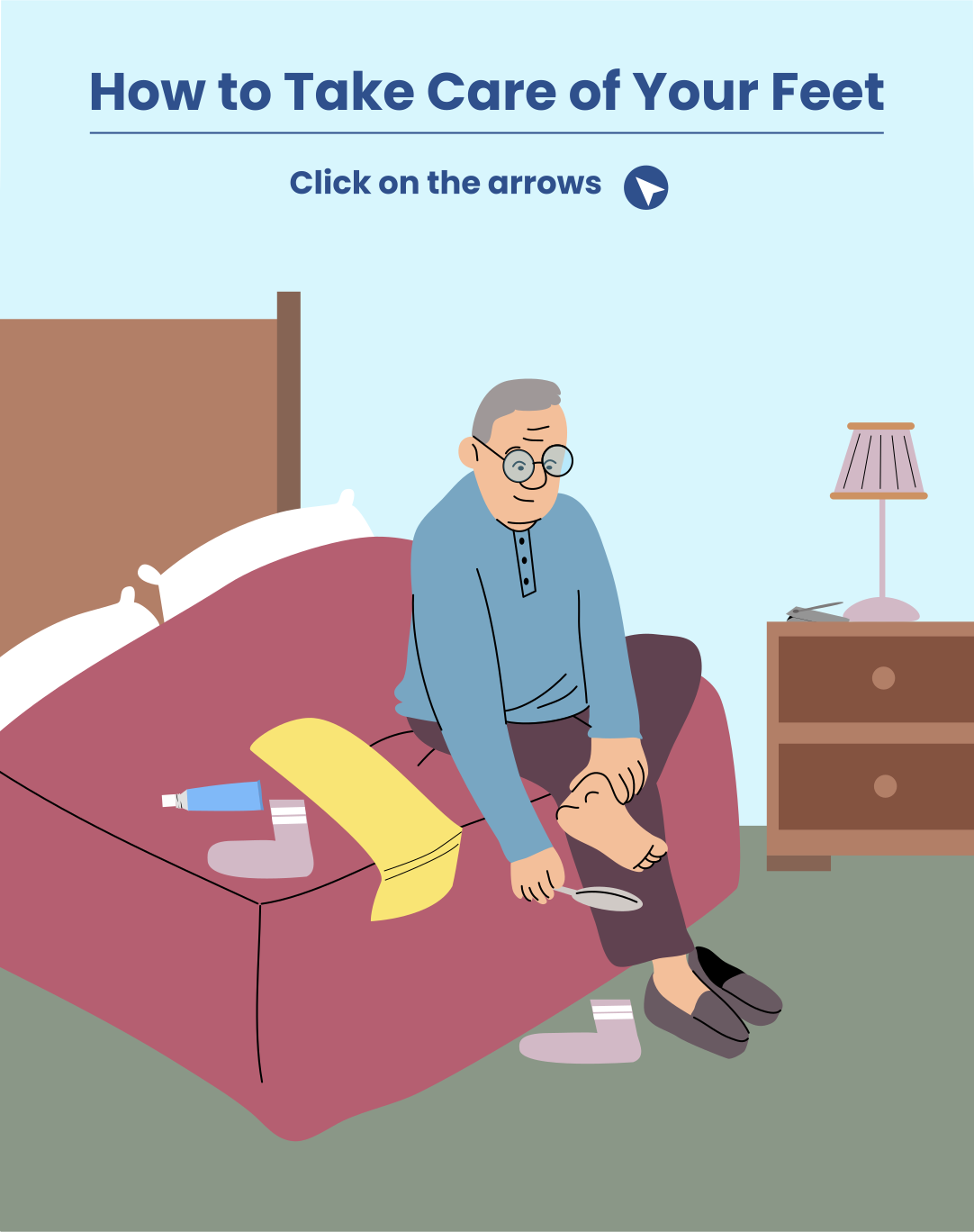
How to examine your feet?
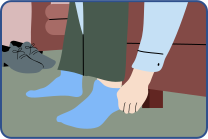
Take off your shoes and socks.
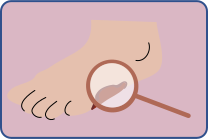
Examine both feet for any:
Blisters
Callouses
Redness
Scabs
Look between your toes for any flakes.
Check your toenails are not long and digging into your skin.
Check your feet temperature with the back of your hand.
Both feet should feel the same.
How to prevent feet problems?
Stop smoking.
Check your cholesterol and blood pressure.
Keep your diabetes well controlled.
Have an annual foot check-up.
Take care of your feet daily.
How to take care of my feet?
Inspect your feet daily.
Wash your feet and DRY them thoroughly.
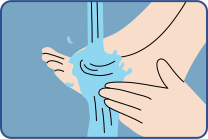
Do not soak your feet in water.
Dry between your toes.
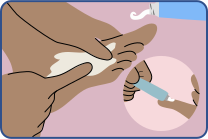
Moisturize your feet daily.
This will stop skin cracking.
It will reduce skin injuries.
Do not put it between your toes.
Do not use perfumed varieties.
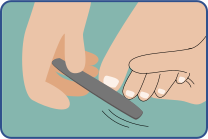
Take care when cutting toenails or go to a specialist.
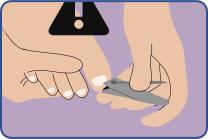
Cut your toenails across and straight.
Avoid using sharp instruments like scissors.
File your toenails gently.
Wear sensible footwear.
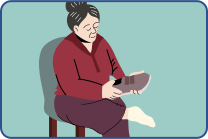
Ensure your footwear fits well.
Avoid walking with flipflops.
Avoid high heels and narrow shoes.
Have your feet measured.
Footwear should be shaped well around your feet.
You may need prescription footwear.
You may need to wear your shoes all the time indoors and outdoors.
Check your shoes before you wear them for pebbles.
Always wear socks when wearing shoes.
Seek advice for corns and verruca.
Choose suitable socks and tights.
They should not have bulky seams.
They should not have elasticated tops.
Use cotton rather than synthetic material.
What are the danger signs?
Seek urgent review if:
You see cuts or blisters that you can not feel.
You notice bad smell from your feet.
Your feet are too cold or too hot.
Your feet skin looks discoloured.
Tell your doctor if:
You have numbness or ache in your feet.
Your feet are swollen.
You notice a change in your feet (change in hair pattern).
If you have wounds that are not healing.
If you have cramps when walking.
You notice a loss of feeling in your feet.