How Do I Calculate the Carbs in My Meal? You can use food labels to calculate the carbs in your meal. Anatomy of The Food Label Almost all packaged foods have labels with nutritional information. Energy Provided by The Food These are usually written as calories. They may be written as kilojoules. Total energy is not useful in carbohydrate calculation. Guideline Daily Allowance: This is important as we will use these to calculate the amount of carbs. The servings may also be written as a percentage of your Guideline Daily Allowance (GDA) or Daily Value% (DV%). This is not useful in carbohydrate calculation. Nutrients, which include micronutrients and macronutrients: Micronutrients Sodium Potassium Calcium Iron Vitamin D Macronutrients Fats or Lipids This can be divided into: Total fats Saturated fats Trans fats Cholesterol Proteins Carbohydrates This is the figure we are most interested in. It can be divided into: Total carbohydrates Dietary fibre Sugars Added sugars The figure used in carb calculation is the total carbohydrates. Nutritional information on food labels may be listed per serving, per 100 g, per container, or per item. Understanding these formats helps make informed food choices: Per serving The serving size is 1 cup. This means that for each cup, you get 11 g of carbohydrates. Per 100 g This means that for every 100 g, you get 24 g of carbohydrates. Per item This means that the whole bar has 17 g of carbohydrates. Per container This means that the container has 58 g of carbohydrates. This is important as we will use these to calculate the amount of carbs. Serving Size It is a common way of listing nutritional information. This usually includes what the manufacturer considers a serving. For example: One serving is 1 cracker This means that for each cracker, you get 18 g of carbohydrates. One serving is 80 g This means that for every 80 g, you get 35 g of carbohydrates. One serving is 1/3 of a bar This means that one bar has 3 servings. One serving is 1/2 a cup This means that one cup is equal to 2 servings.

How Do I Calculate The Carbs in My Meal?

Listen

Text Only

You can use food labels to calculate the carbs in your meal.

Anatomy of The Food Label
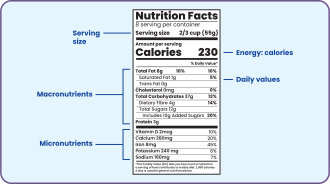
Describing the different sections in a food label, serving size, energy in calories, daily values, macro-nutrients and micro-nutrients.

Almost all packaged foods have labels with nutritional information.

Energy Provided by The Food
Food label
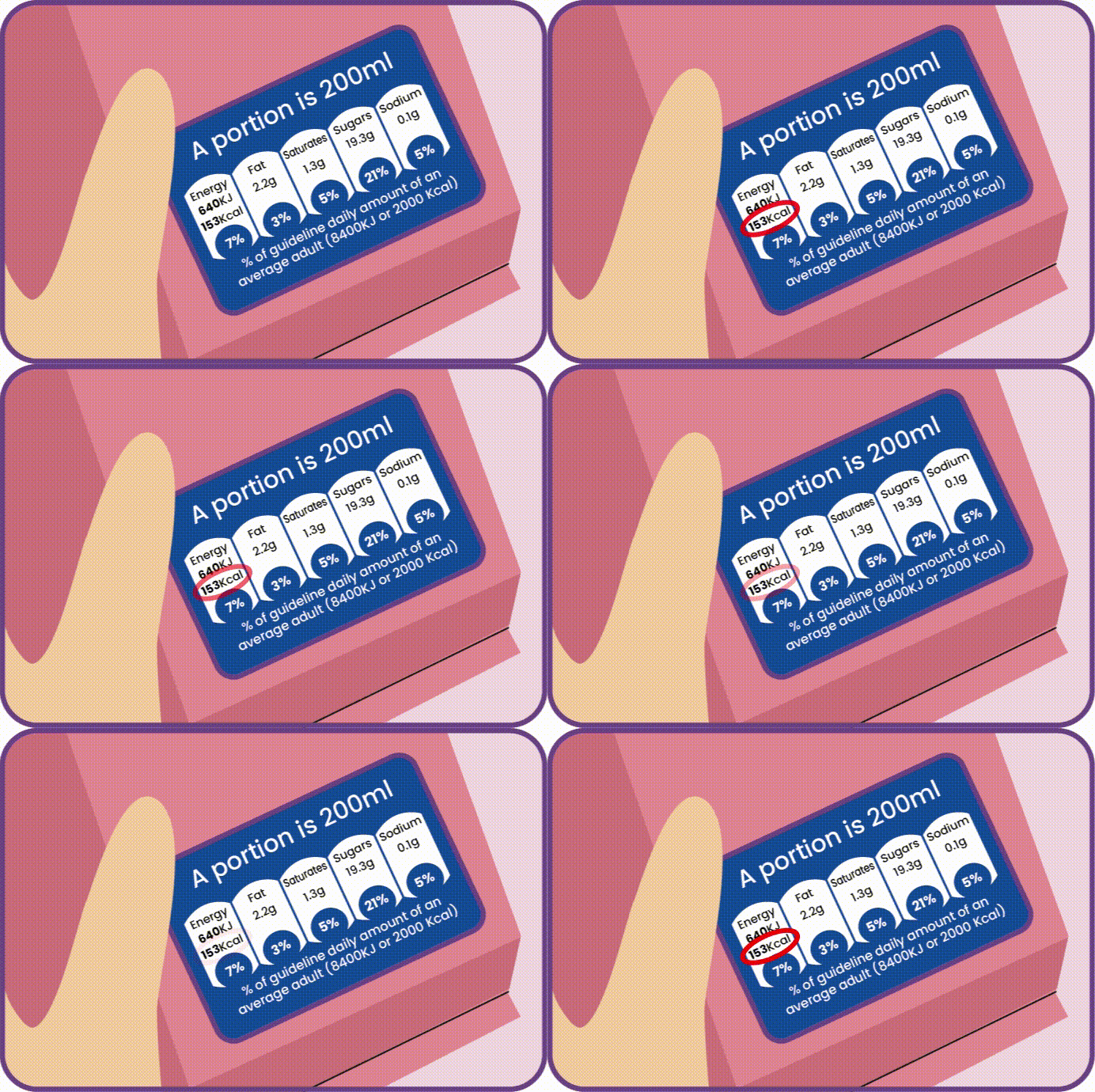
  • These are usually written as calories.
Food label
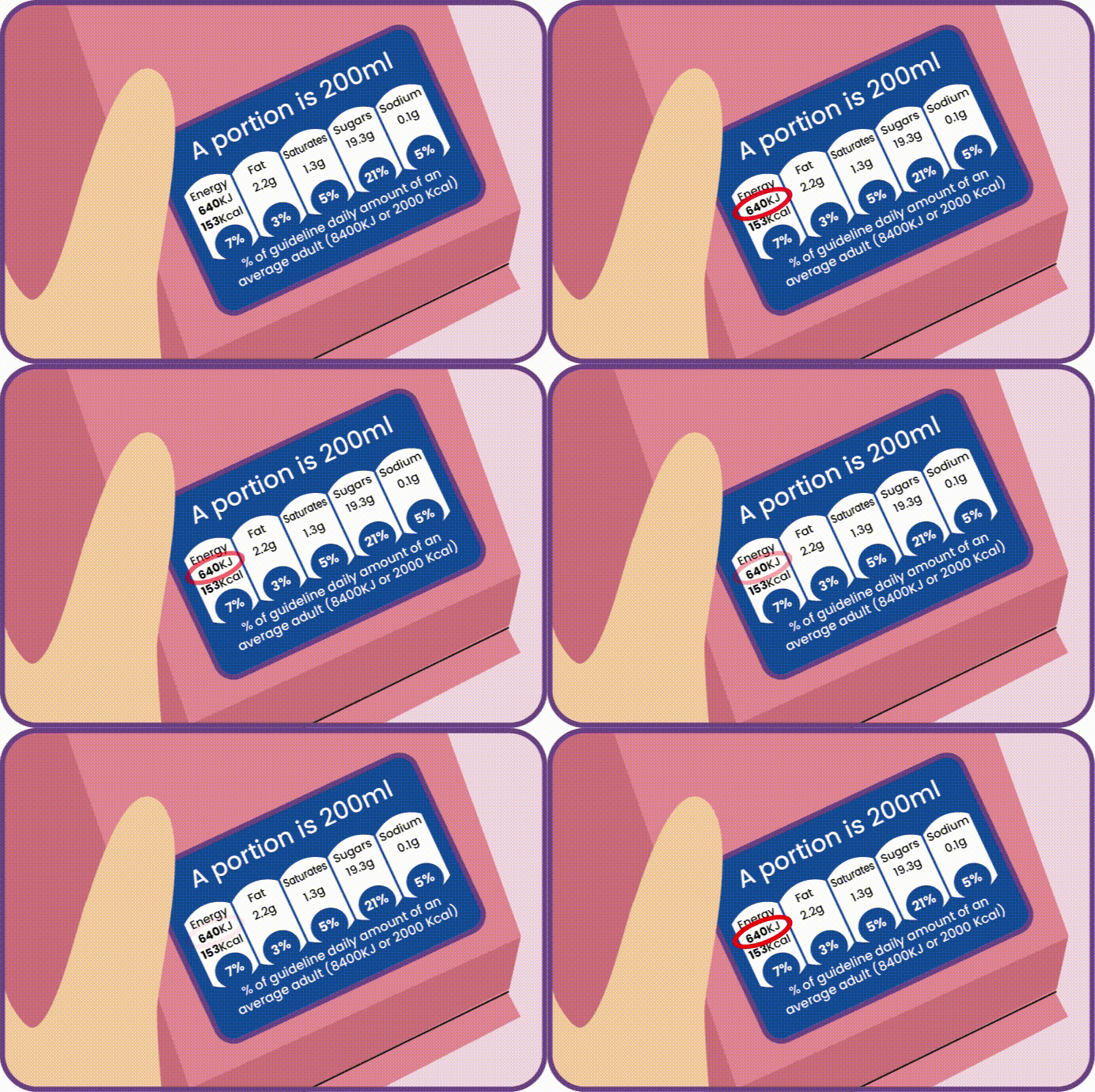
  • They may be written as kilojoules.

Total energy is not useful in carbohydrate calculation.

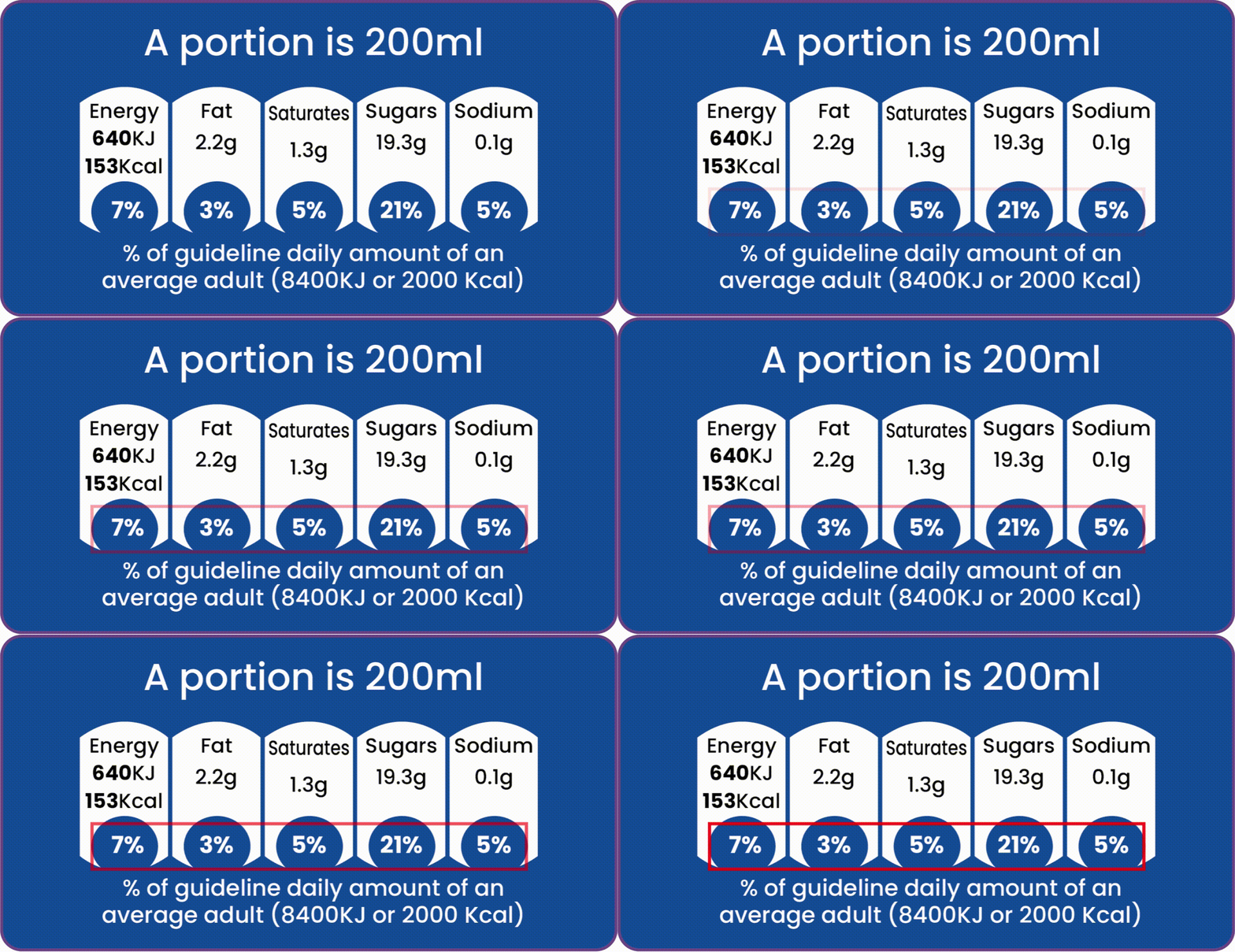
Guideline Daily Allownace
Food label
  • The servings may also be written as a percentage of your Guideline Daily Allowance (GDA) or Daily Value% (DV%).
  • This is not useful in carbohydrate calculation.

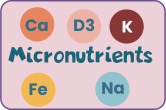
Nutrients, which include micronutrients and macronutrients:

Micronutrients

  • Sodium
  • Potassium
  • Calcium
  • Iron
  • Vitamin D
Macro-nutrients chemical symbols.

Macronutrients

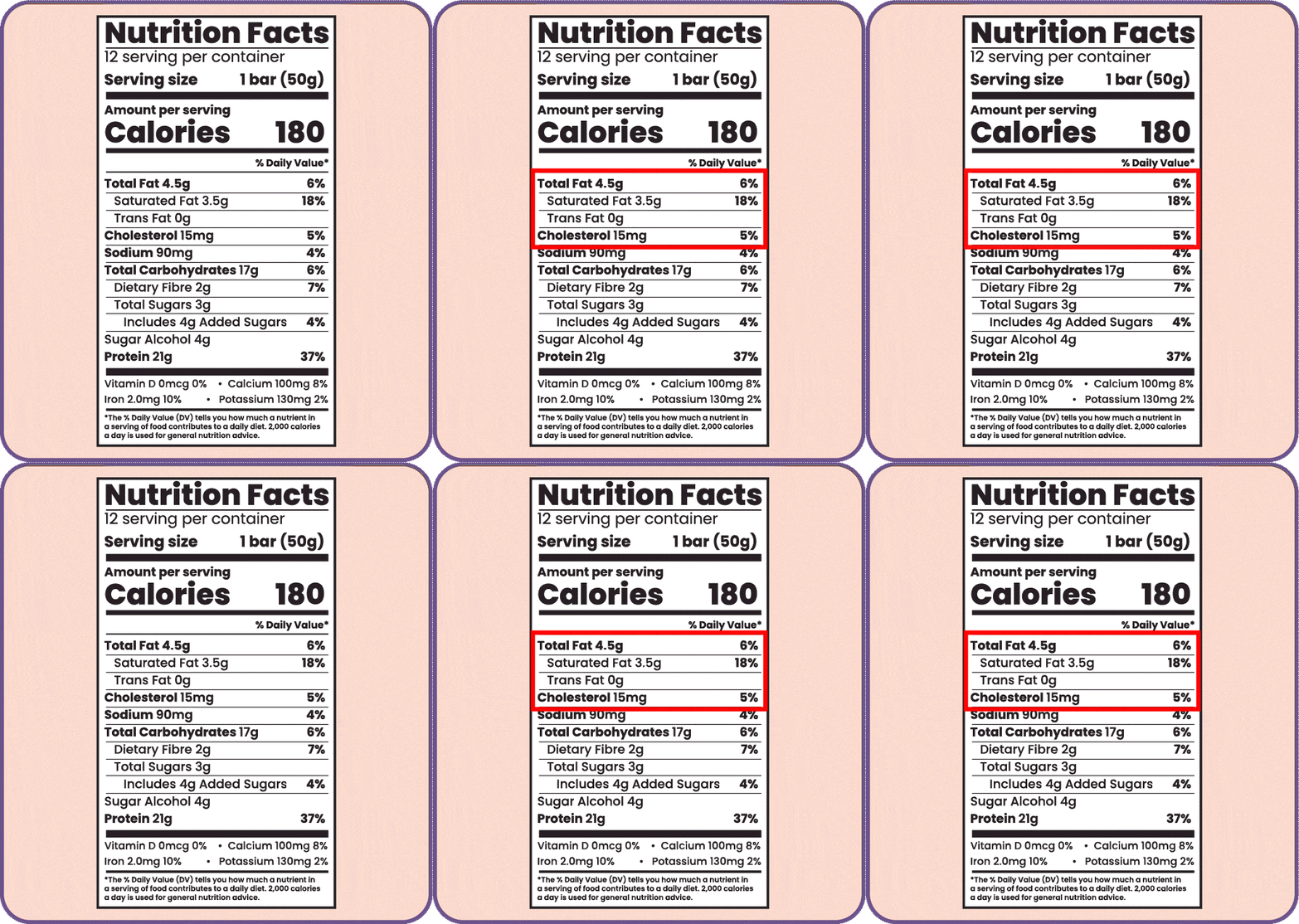
Fats or Lipids

This can be divided into:

  • Total fats
  • Saturated fats
  • Trans fats
  • Cholesterol
Food label.
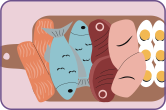
Proteins
Proteins.
Carbohydrates

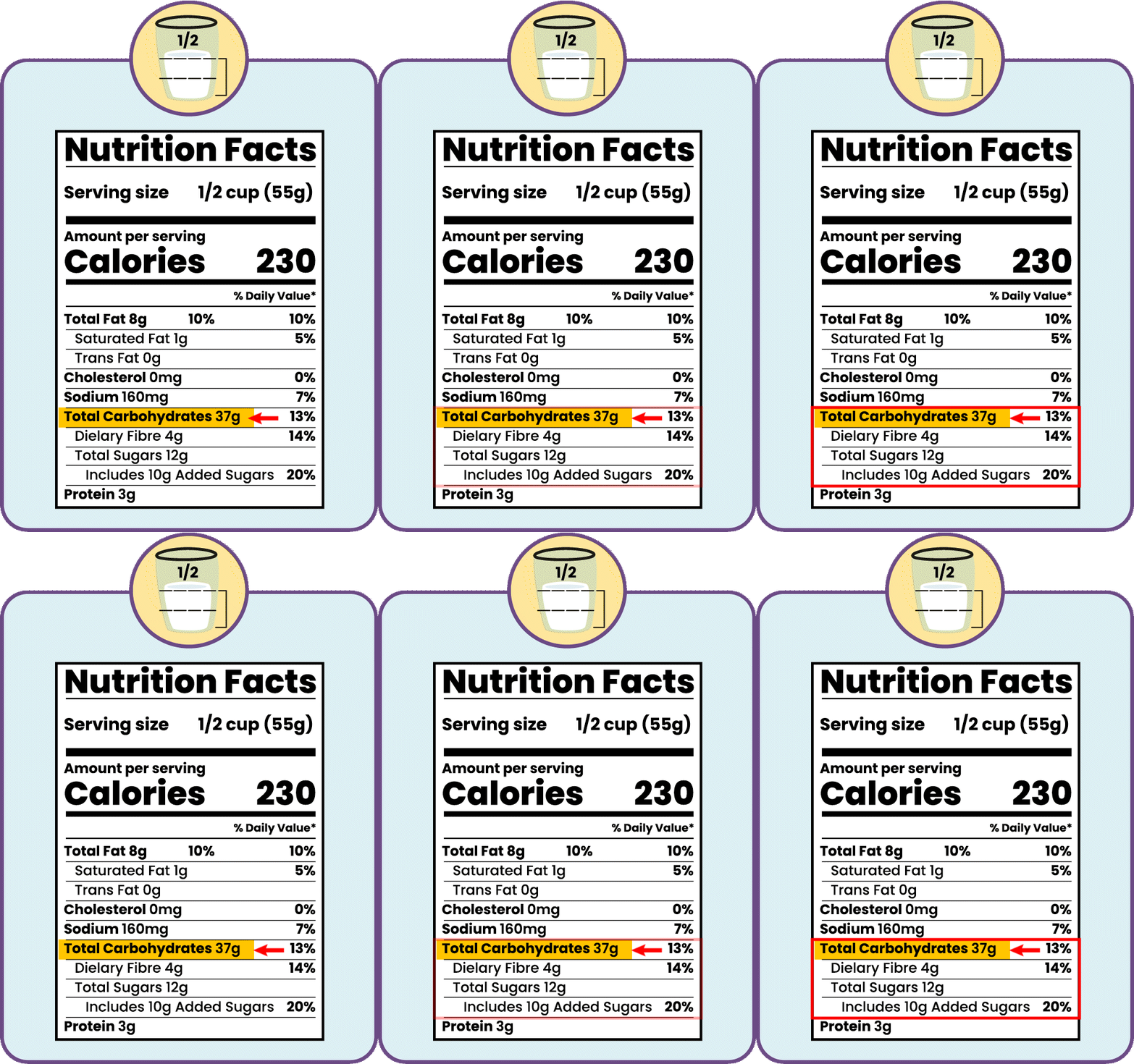
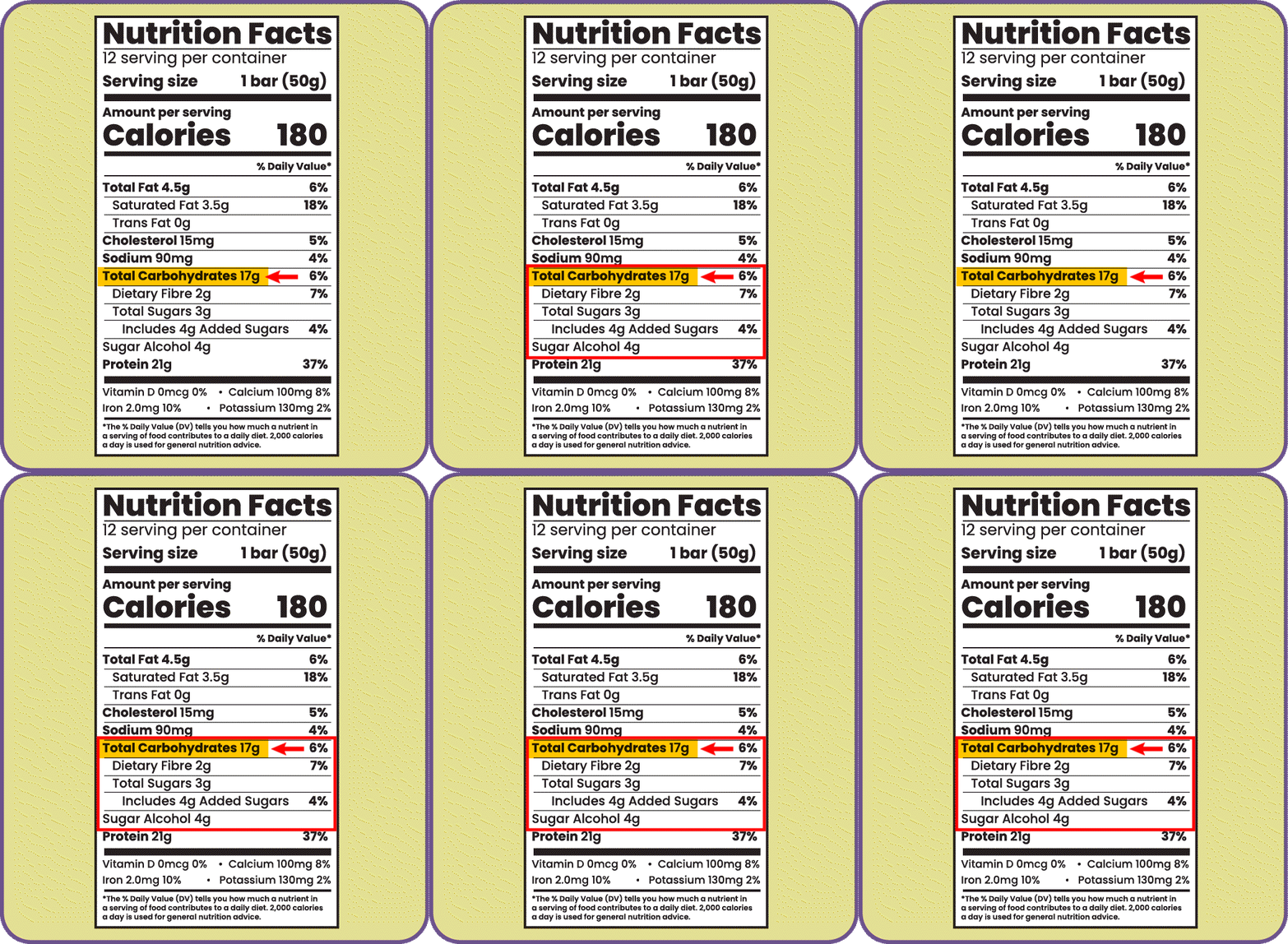
This is the figure we are most interested in.

It can be divided into:

  • Total carbohydrates.
  • Dietary fibre.
  • Sugars.
  • Added sugars.

The figure used in carb calculation is the total carbohydrates.
Food label.

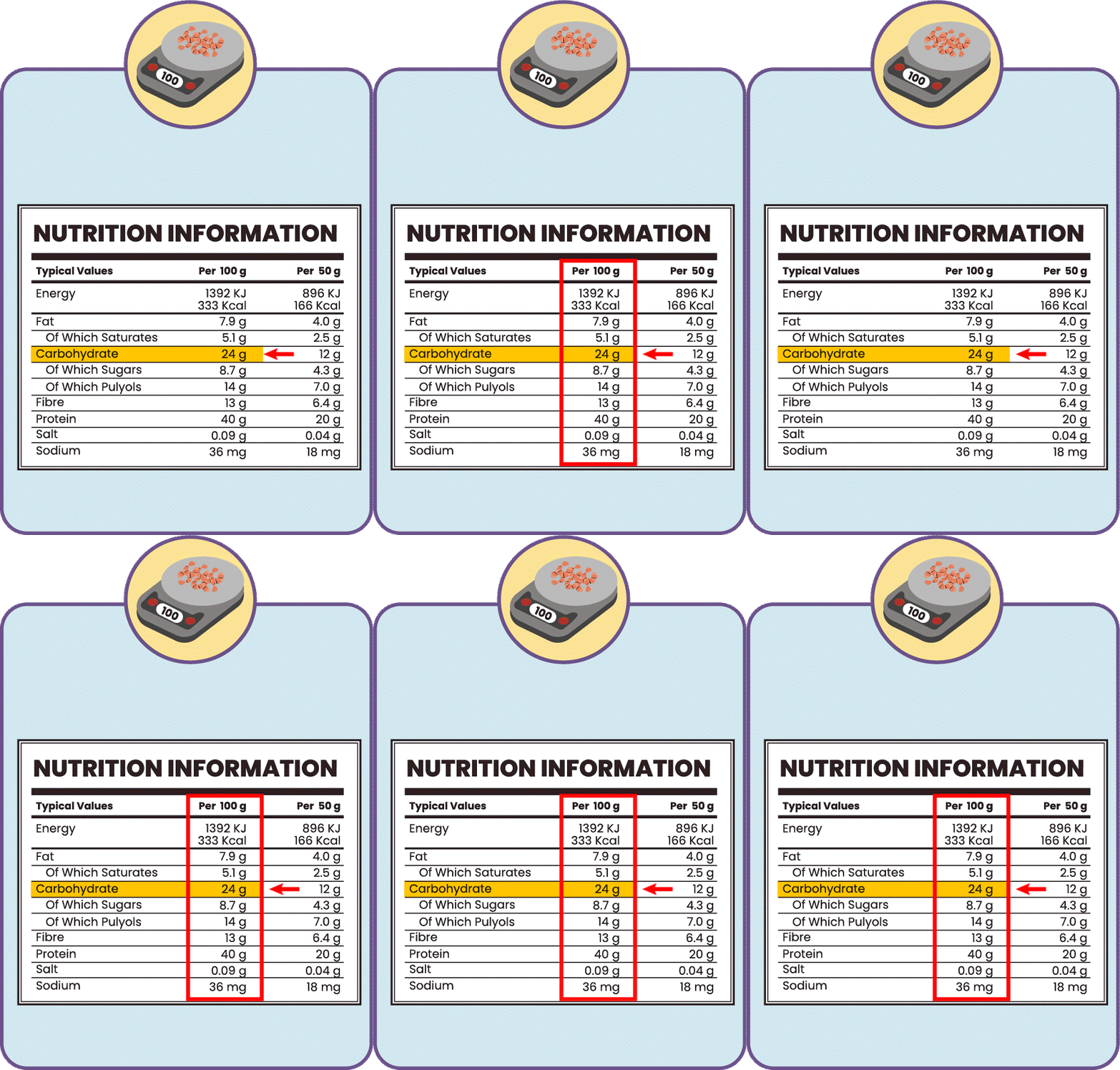
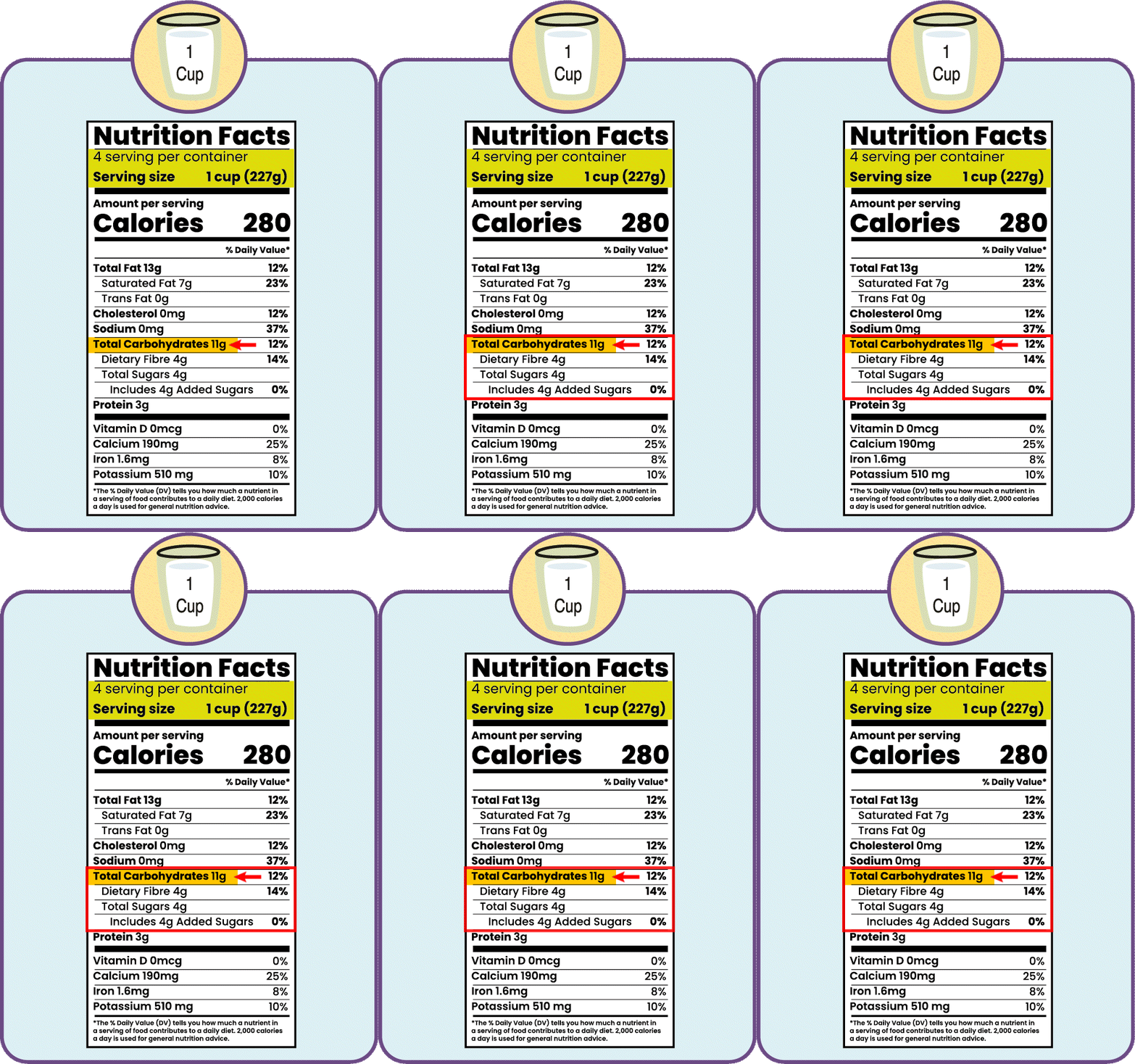
Nutritional information on food labels may be listed per serving, per 100g, per container, or per item. Understanding these formats helps make informed food choices:
Food label.

Per serving

Food label.

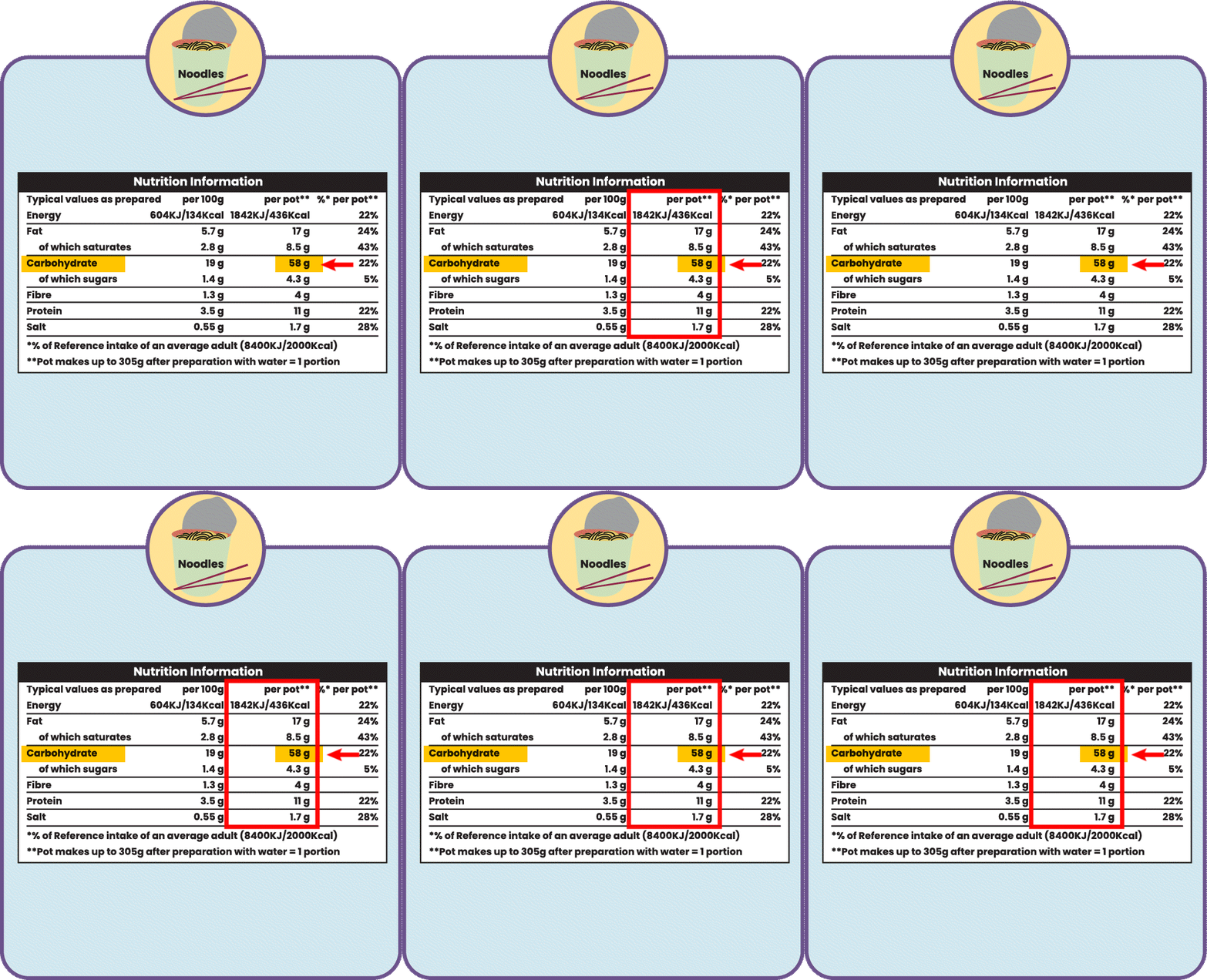
Per 100g

Food label.

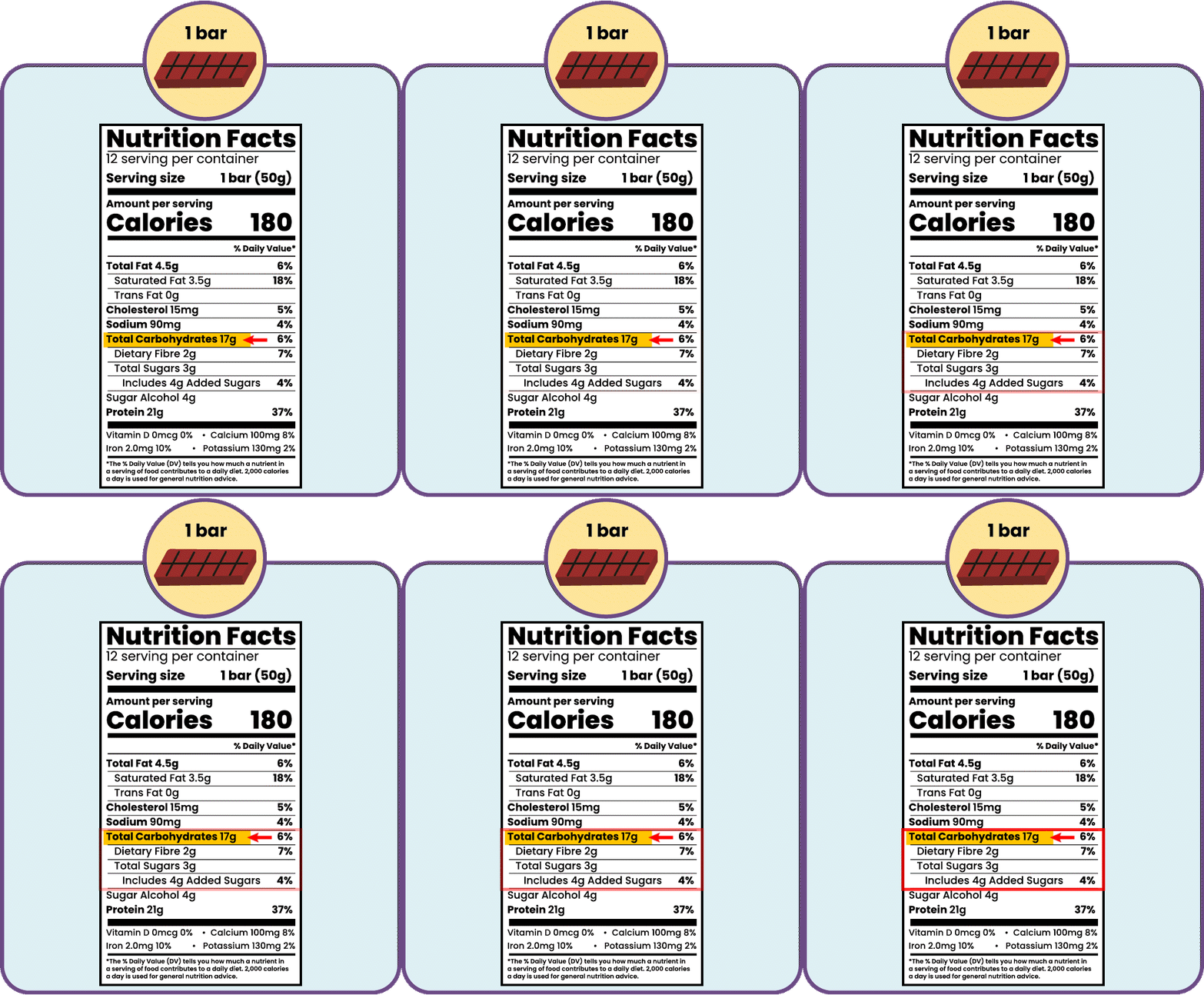
Per item

Food label.

Per container

This is important as we will use these to calculate the amount of carbs.

Serving Size

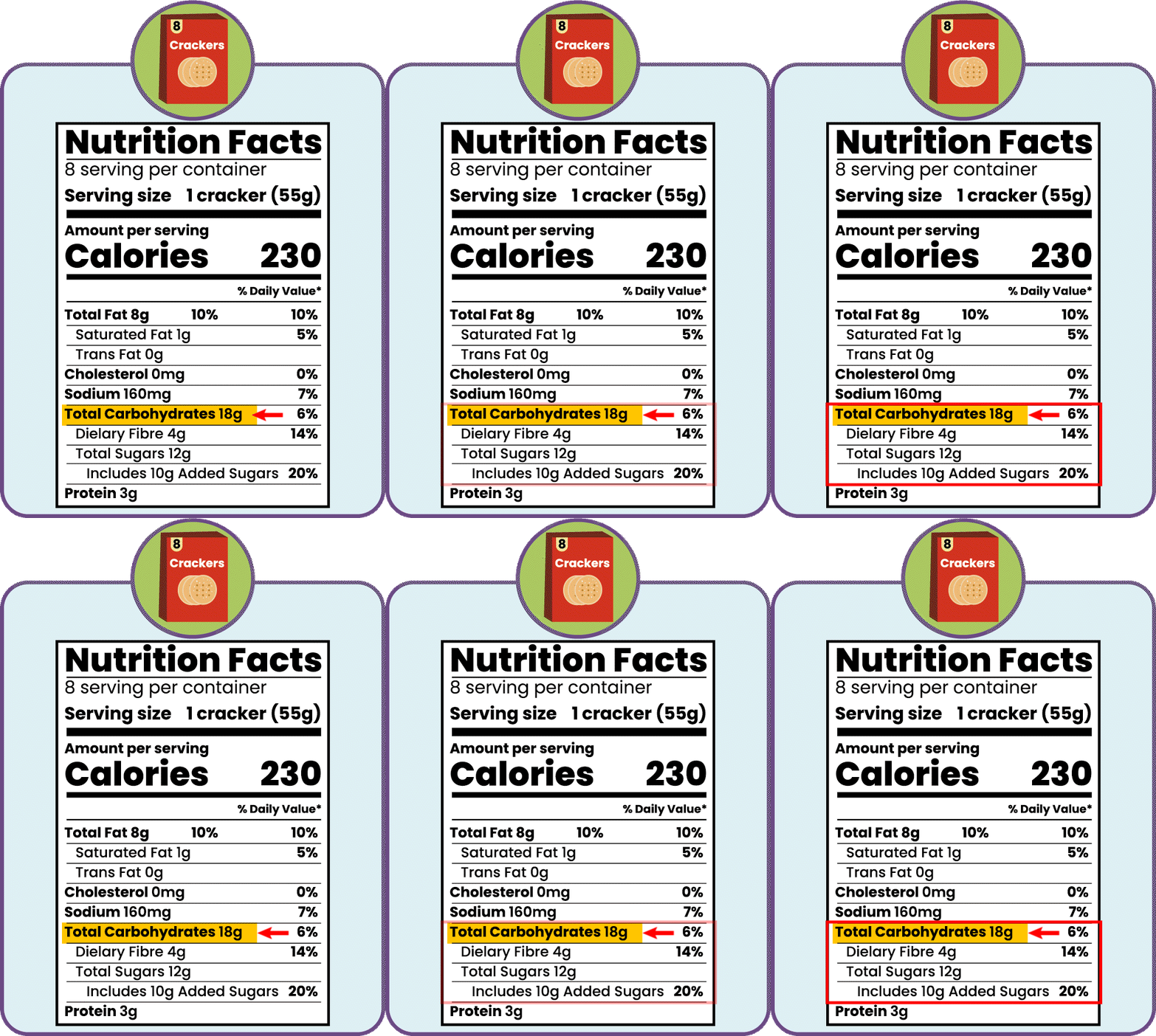
It is a common way of listing nutritional information. This usually includes what the manufacturer considers a serving. For example:
Food label.

One serving is 1 cracker

Food label.

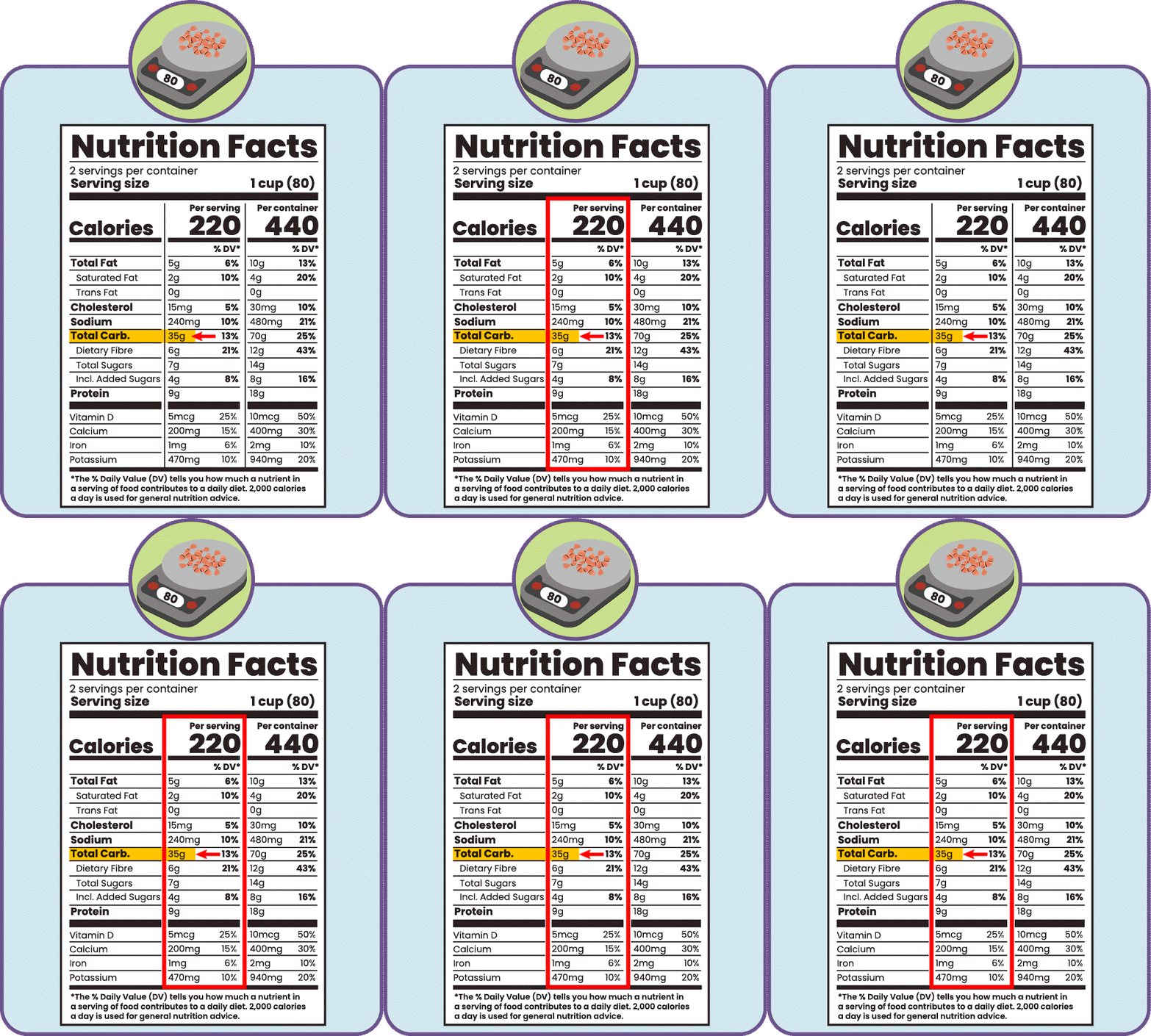
One serving is 80g

Food label.

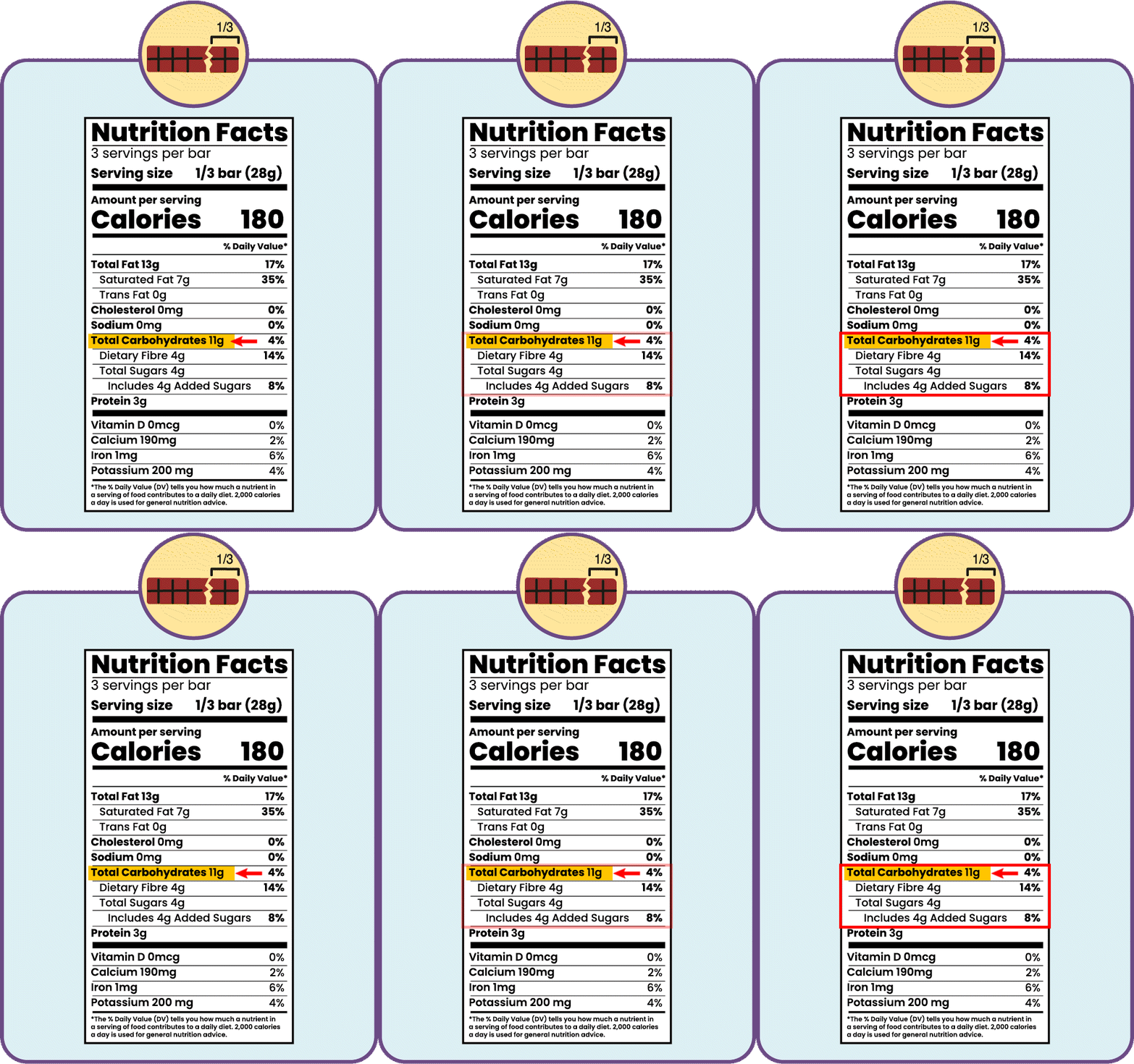
One serving is 1/3 of a bar

Food label.

One serving is 1/2 a cup

NXT
PRV